Controlled exfoliation of the epidermis with medical acids — from a gentle refresh to deep peels that reduce scarring. An effective therapy for acne, pigmentation, wrinkles and uneven skin tone, chosen individually by the cosmetologist.
Chemical peel™ is a treatment involving the application of one or more exfoliating substances to achieve controlled damage to the epidermis. Its aim is to remove damaged and dead epidermal cells and speed up the skin's regeneration process, which stimulates the production of new collagen and elastin fibres and the growth of new skin cells.
As a result of the treatment, the skin takes on a healthier, brighter appearance, skin tone becomes more even, and scars and fine lines are softened. All the peels offered at Velvet Skin Clinic are certified medical devices with a high safety standard, and treatments are carried out by qualified cosmetologists.
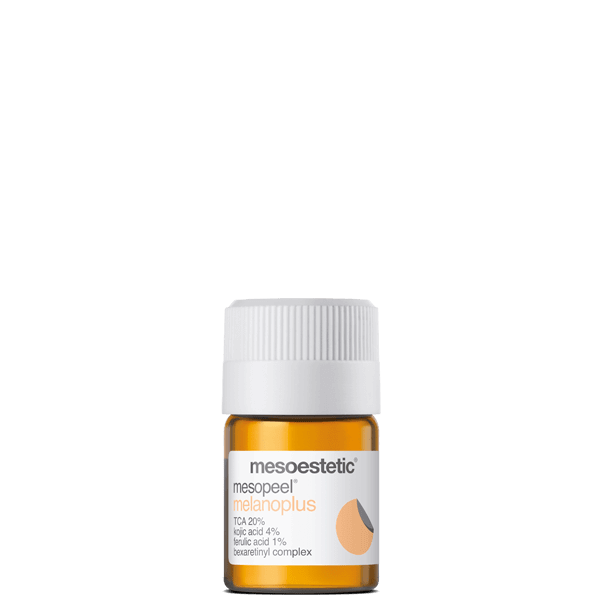
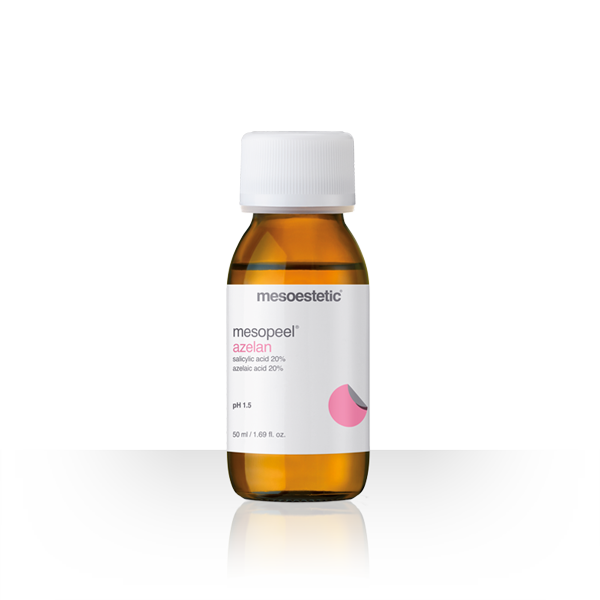
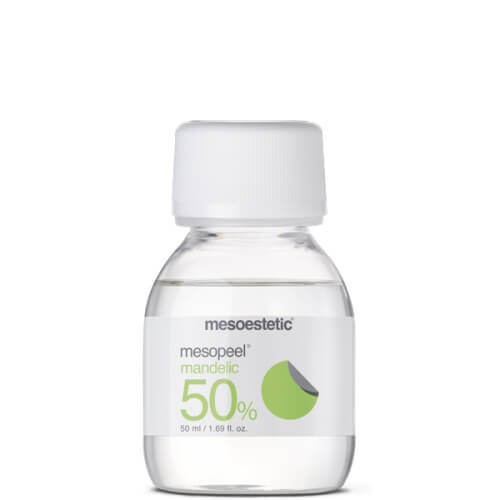
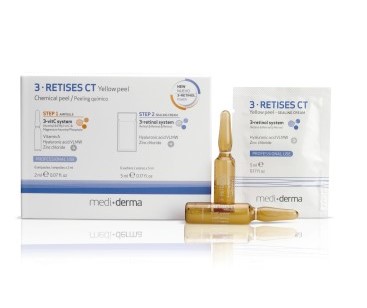
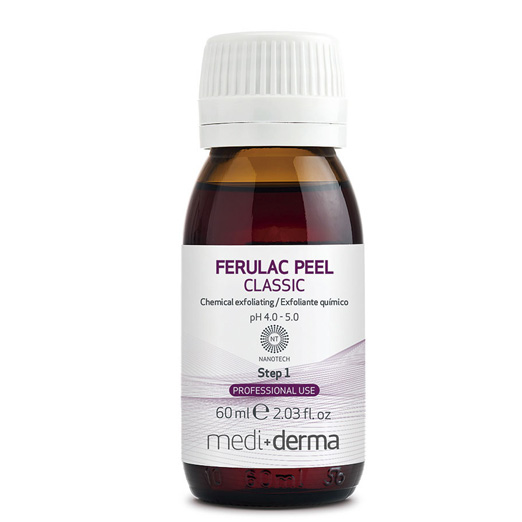
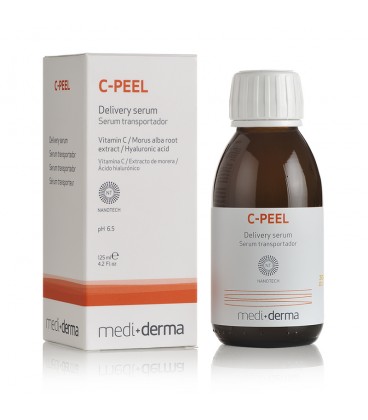
At Velvet Skin Clinic we work with medical peel lines chosen to suit the indication. Our professional acid peels include mesopeel peels by Mesoestetic (a wide range of acids — azelaic, salicylic, mandelic, lactic, TCA), Mediderma peels by Sesderma (nanosome technology), the two-phase BioRePeel Cl3 and the strongly lifting PQ Age Evolution (without exfoliation).
When the main problem is persistent pigmentation and melasma, we run the therapy separately — with the Cosmelan protocol or laser pigmentation removal. Skin texture and scarring can also be renewed with the Fotona laser peel. The single-ingredient DermaQuest peels (e.g. pumpkin, azelaic) are described on their own dedicated pages.
Source: Versum and Booksy reports, as of 30.06.2026 (approximate matching — data for the whole family of chemical peels). No revenue data included.
These work on the horny and basal layers of the epidermis. They refresh the skin, normalise keratinisation and add glow — with no downtime.
These reach the papillary layer of the dermis. They intensively stimulate regeneration and reduce wrinkles, pigmentation and acne lesions.
These act down to the reticular layer of the dermis. They rebuild collagen and elastin fibres — smoothing out scars and deep defects.
The type of peel, its concentration, timing and application technique are decided by the cosmetologist — depending on skin type, its sensitivity and the indication. Peels can be performed all year round, including in summer, once the right product has been chosen.
We use this treatment for 4 indications. It works a little differently in each of them — below we describe exactly what it does in each case.
Peels work by exfoliating and brightening, at a depth chosen for the type of pigmentation. They are rarely the only solution — most often they support laser treatment or depigmentation, speeding up epidermal turnover between sessions.
02With melasma we choose peels exceptionally carefully and shallowly — a treatment that is too aggressive can trigger inflammation and worsen the pigmentation instead of lightening it. Here they act as a maintenance therapy, not an intensive one.
03Peels speed up epidermal turnover and restore glow to the complexion, at a depth chosen for the skin's condition. We often run them as a series between laser treatments to maintain the result without overloading the skin.
04Peels unclog the gland openings and regulate sebum production — working on the cause of blackhead formation. With inflammatory acne they are part of the therapy, but on their own they are rarely enough for deep lesions.
Unsure which indication describes your situation? See all the indications or ask during a consultation.
An approximate match between peel type and indication. The final choice of product is made by the cosmetologist after assessing the skin.
salicylic, azelaic and pyruvic acid peels
peels with mandelic, kojic and TCA acid
TCA, ferulic and retinol peels — collagen and firmness
gentle lactic-acid and biostimulating peels
The publications below concern medical chemical peels — their efficacy in treating acne, scarring and pigmentation disorders.
A randomised, double-blind split-face study compared a 30% salicylic acid peel with Jessner's solution in patients with acne and post-inflammatory pigmentation.
How i wsp., Int J Dermatol 2020 · PubMed →A comparative study assessed a 20% trichloroacetic acid (TCA) peel against fractional Er:YAG laser in the treatment of post-acne scarring.
Jangir i wsp., J Cutan Aesthet Surg 2023 · PubMed →The study compared a 15% TCA peel with a 35% glycolic acid peel in evening out skin tone and reducing pigmentation.
Puri, Indian Dermatol Online J 2012 · PubMed →The cited studies concern chemical peels as a treatment category. The type and number of peels is determined by the cosmetologist; results vary from person to person and depend on the indication and skin condition.
Before every treatment we carry out a consultation with a health questionnaire to rule out contraindications. The cosmetologist then performs thorough make-up removal and skin cleansing, and a key stage is degreasing — it ensures even penetration of the acids. After protecting the eyes and sensitive areas, the appropriate product is applied, matched to the condition of the skin. The treatment is safe and comfortable for most patients — a tingling or burning sensation may sometimes be felt, eased with a stream of cool air from the Cryo6.
Ruling out contraindications and selecting the peel.
Preparing the skin for even acid penetration.
Applying the peel, timing the exposure and neutralising it.
A soothing cream and sun protection to finish.
After some peels the skin may feel tight and look red, and it may start to flake after a few days. The treatment usually requires no downtime, though it is worth allowing for possible flaking before important events.
For 2 weeks, strictly avoid the sun and sunbeds, and use a high SPF.
If the skin is flaking, do not speed up the process — picking at it risks pigmentation and scarring.
For a week, avoid saunas, swimming pools and long baths.
For 2 weeks, do not have any other skin-irritating treatments (laser, hair removal, dermabrasion).
The best results come from a series of 3–8 peels at intervals recommended by the cosmetologist.
Educational information. Detailed guidance is provided by your specialist; results and the course of treatment vary from person to person.
Authentic photographs from our Velvet Skin Clinic locations in Warsaw (Świętokrzyska — City Centre, Niepodległości — Mokotów).


The price depends on the type of peel, the area and the number of treatments in the series. Peels are typically performed as a series — usually 3–8 treatments at intervals set by the cosmetologist. We agree the plan and the choice of product during a consultation.
„Wonderful staff. She answered all my questions. And the treatment itself was carried out very professionally and in a lovely atmosphere." (translated from Polish)
Aleksandra · 2022review from Booksy„The BHA acid treatment was my first experience with this kind of skincare, and I'm delighted with it. My skin looks healthier, is less oily, and blemishes heal faster. A perfect balance between results and gentleness." (translated from Polish)
Gertruda Oczkowska · 2026review from Google„A great selection of chemical peels, modern methods. I recommend it." (translated from Polish)
Halina Porada · 2024review from GoogleEvery case is assessed individually by the cosmetologist during a consultation. The main contraindications:
A chemical peel is a treatment in which medical acids controllably exfoliate the epidermis, removing dead cells and stimulating regeneration. The result is new collagen and elastin production, a healthier, brighter-looking complexion, more even skin tone, and softened scars and fine lines.
We divide peels by depth of action into superficial (refreshing, glow), medium-depth (wrinkles, pigmentation, acne) and deep (scarring, deep defects). The cosmetologist selects the type, acid and concentration to suit the skin type, its sensitivity and the indication.
The treatment is safe and comfortable for most patients — a tingling or burning sensation may sometimes be felt, eased with a stream of cool air. It usually requires no downtime, although the skin may be briefly red and may flake gently after a few days.
Even the first treatment improves skin quality, but the best results come from a full series — usually 3–8 peels at intervals set by the cosmetologist, depending on the indication, expectations and the initial condition of the skin.
Yes — peels can be performed all year round, including in summer, provided the right product is chosen. Consistent sun protection and a high SPF for around two weeks after the treatment are then essential.
The price of a peel starts from 200 zł and depends on the type of product, the area and the number of treatments in the series. We agree the exact quote and choice of peel during a consultation; you will find the full price list on our pricing page.
Treatments at Velvet Skin Clinic are performed by certified cosmetologists with many years of experience in laser therapy, hi-tech devices and skin care treatments. After a consultation, we match the method and the specialist to your skin and your goal.


00-116 Warszawa · opposite the Palace of Culture and Science
tel. 500 53 30 30
The publications this treatment page is based on — with PMID identifiers and an assessment of the strength of evidence.