

Mediderma™ by Sesderma peels — nanosome technology
Acid peels with a lower risk of irritation: Spanish Mediderma formulas use nanosomes — microscopic carriers that gradually and selectively deliver active ingredients deep into the skin. Results vary from person to person.
Chemical peels: Mediderma by Sesderma
Peels from the Spanish laboratory Mediderma™ by Sesderma have a keratolytic action — they speed up skin cell renewal. They are used for aesthetic purposes (cleansing, nourishing, hydrating, reducing signs of ageing) and therapeutic purposes (sebum regulation, reducing the appearance of scars, depigmentation). The purpose and depth of action depend on the main active ingredients, the concentration and the pH of the product.
What sets Mediderma apart is nanosome technology — very small, single-layer phospholipid vesicles (50–200 nm) that pass easily through the epidermal barrier and deliver the ingredients enclosed inside them deeper into the skin. Thanks to gradual release, a small amount of product is enough, which reduces the risk of side effects, and the phospholipids additionally regenerate the skin.
Read the details
Mediderma and other peels — what sets it apart
Mediderma is a line of acid peels with nanosome technology — selective, deep delivery of ingredients. It is one of the brands in our range of medical chemical peels; we also work with mesopeel by Mesoestetic peels, BioRePeel Cl3 and PQ Age.
The Mediderma range includes ingredient-based products that we describe on dedicated pages — among them the retinol-based 3-Retises CT Yellow Peel and Ferulac Peel (ferulic acid). For established pigmentation and melasma we choose Cosmelan or a laser. Your cosmetologist chooses the product.
Source: Versum and Booksy reports, as at 30 June 2026 (approximate match). No revenue data.
How Mediderma nanosome technology works
Deeper delivery
Nanosomes (50–200 nm) pass through the epidermal barrier and deliver active ingredients deeper into the skin — selectively.
Gradual release
The ingredients are released slowly over an extended period and are more stable, and the small amount of product reduces the risk of side effects.
Barrier regeneration
The phospholipids that make up nanosomes contain physiological lipids, which regenerate the skin and restore its protective functions.
The keratolytic action speeds up cell renewal, which is why Mediderma peels are used in both aesthetic and dermatological therapy. The cosmetologist chooses the product.
What Mediderma peels are used for
What Mediderma by Sesderma peels help with
We use this treatment for 3 concerns. It works a little differently for each — below we describe exactly what it does in each case.
Acne scars
Nanosome technology makes it possible to deliver the active substance deeper than a classic peel, with less irritation of the surface. For scars and uneven skin texture this makes a real difference.
02Active acne
The nanosome carrier limits irritation, which for acne-prone skin — already stressed and often dried out by treatment — can be decisive for how well the therapy is tolerated.
03Skin pigmentation
With pigmentation, what matters is how deep the brightening substance reaches without irritating the skin too much. Nanosomes help keep that balance, which is why we choose products from this line for sensitive skin.
Not sure which concern describes your situation? See all concerns or ask at your consultation.
Types of Mediderma peels
Selected products from the Mediderma range and their main purpose. We describe the ingredient-based products in detail on dedicated pages; the choice is made by the cosmetologist.
3-Retises CT Yellow Peel
retinol peel — radiance, skin tone, anti-ageing
Ferulac Peel Classic / Plus
ferulic acid — antioxidant action, protection, glow
C-Peel
vitamin C — brightening and a more even skin tone
Salipeel Lic
salicylic acid — acne, seborrhoea, blackheads
Want a Mediderma peel matched to your skin? Book a consultation.
Book a consultationWhat research says about the ingredients and carriers
The publications below concern the active ingredients and carrier technology used in Mediderma peels.
Ferulic acid in skin protection
A clinical study showed that a stable formula with vitamins C and E and ferulic acid protects the skin against damage caused by UV radiation.
Murray et al., J Am Acad Dermatol 2008 · PubMed →Lipid carriers in ingredient delivery
A scientific review discussed lipid nanocarriers (including phospholipid vesicles) as an effective way of delivering active substances deeper into the skin.
Paiva-Santos et al., Pharm Res 2021 · PubMed →Salicylic acid peel in acne
A randomised split-face study compared a salicylic acid peel with Jessner's solution in the treatment of acne and post-inflammatory hyperpigmentation.
How et al., Int J Dermatol 2020 · PubMed →The studies cited concern the ingredients and carrier technology (ingredient/technology level), not a specific product. The cosmetologist chooses the peel; results vary from person to person.
What a Mediderma peel involves, step by step
The treatment starts with a consultation and a medical history. The cosmetologist removes make-up and cleanses the skin, then degreases it so the acids penetrate evenly. After protecting the eyes and sensitive areas, the cosmetologist applies the chosen Mediderma product, matching the concentration, exposure time and technique to the condition of your skin. After the exposure time the product is rinsed off and neutralised, and finally a regenerating cream and sunscreen are applied.
Consultation and medical history
Ruling out contraindications and choosing the Mediderma product.
Cleansing and degreasing
Preparing the skin for even penetration.
Mediderma application
Applying the acid with nanosomes, monitoring exposure, neutralisation.
Recovery and SPF
Regenerating cream and sun protection.
Aftercare following a Mediderma peel
Mediderma peels work as a series — usually 3–6 sessions at intervals recommended by the cosmetologist. After the treatment your skin may be slightly pink for a short while.
Sun protection
For 2 weeks avoid the sun and sunbeds, and use a high-SPF sunscreen.
Do not pick at peeling skin
If your skin peels, do not speed the process up — this lowers the risk of pigmentation and scarring.
Avoid the sauna and swimming pool
For a week skip high temperatures and long baths.
No irritation
For 2 weeks do not have treatments that irritate the skin (laser, hair removal).
Stay with the series
For optimal results we recommend a series of 3–6 peels, as advised by your cosmetologist.
For information and education only. A specialist will give you detailed recommendations; results and the course of treatment vary from person to person.
See the treatment room and the procedure — Mediderma
Real photos from our Velvet Skin Clinic locations in Warsaw (Świętokrzyska — City Centre (Śródmieście), Niepodległości — Mokotów).


Mediderma — Sesderma peel prices in Warsaw
The price depends on the type of Mediderma product, the area and the number of sessions. The peels work as a series — usually 3–6 sessions. We set the plan and choose the acid at a consultation.
Key facts
See also — peels and related therapies
“Wonderful staff. The lady answered all my questions. And the treatment itself was carried out very professionally and in a lovely atmosphere.”
“The BHA acid treatment was my first experience of this kind of skincare and I’m pleased. My skin looks healthier, it’s less oily, and inflammation heals faster. The ideal balance between results and gentleness.”
“A nice selection of chemical peels, modern methods. I recommend it.”
Contraindications to Mediderma peels
The cosmetologist assesses every case individually during the health questionnaire. The main contraindications:
Frequently asked questions — Mediderma by Sesderma
What are Mediderma by Sesderma peels?
Mediderma is a Spanish professional line of chemical peels from the Sesderma brand. The products have a keratolytic action — they speed up skin cell renewal — and stand out for nanosome technology: carriers that deliver active ingredients deeper into the skin.
What is nanosome technology?
Nanosomes are microscopic, single-layer phospholipid vesicles (50–200 nm) that pass through the epidermal barrier and deliver the ingredients enclosed inside them deeper into the skin. They release them gradually and over a long time, increase the stability of the substances and reduce the risk of irritation.
Which Mediderma acids are available?
The Mediderma range includes the retinol-based 3-Retises CT Yellow Peel, Ferulac Peel (ferulic acid), C-Peel and Salipeel (salicylic acid), among others. Each product has a different purpose; we describe the ingredient-based products on separate pages, and the choice is made by the cosmetologist.
Which skin concerns does Mediderma help with?
Mediderma peels are used for acne and post-acne lesions, uneven skin tone and post-inflammatory hyperpigmentation, signs of ageing, enlarged pores and loss of firmness. The action is multi-directional and matched to the concern.
How many Mediderma sessions are needed?
Even a single session improves skin quality, but for optimal results a series is recommended — usually 3–6 peels at intervals recommended by the cosmetologist, depending on the concern and how your skin responds. Results vary from person to person.
How much does a Mediderma peel cost in Warsaw?
A Mediderma peel starts from PLN 250, and the price depends on the type of product, the area and the number of sessions in the series. We set the exact price at a consultation; the full price list is on the pricing page.
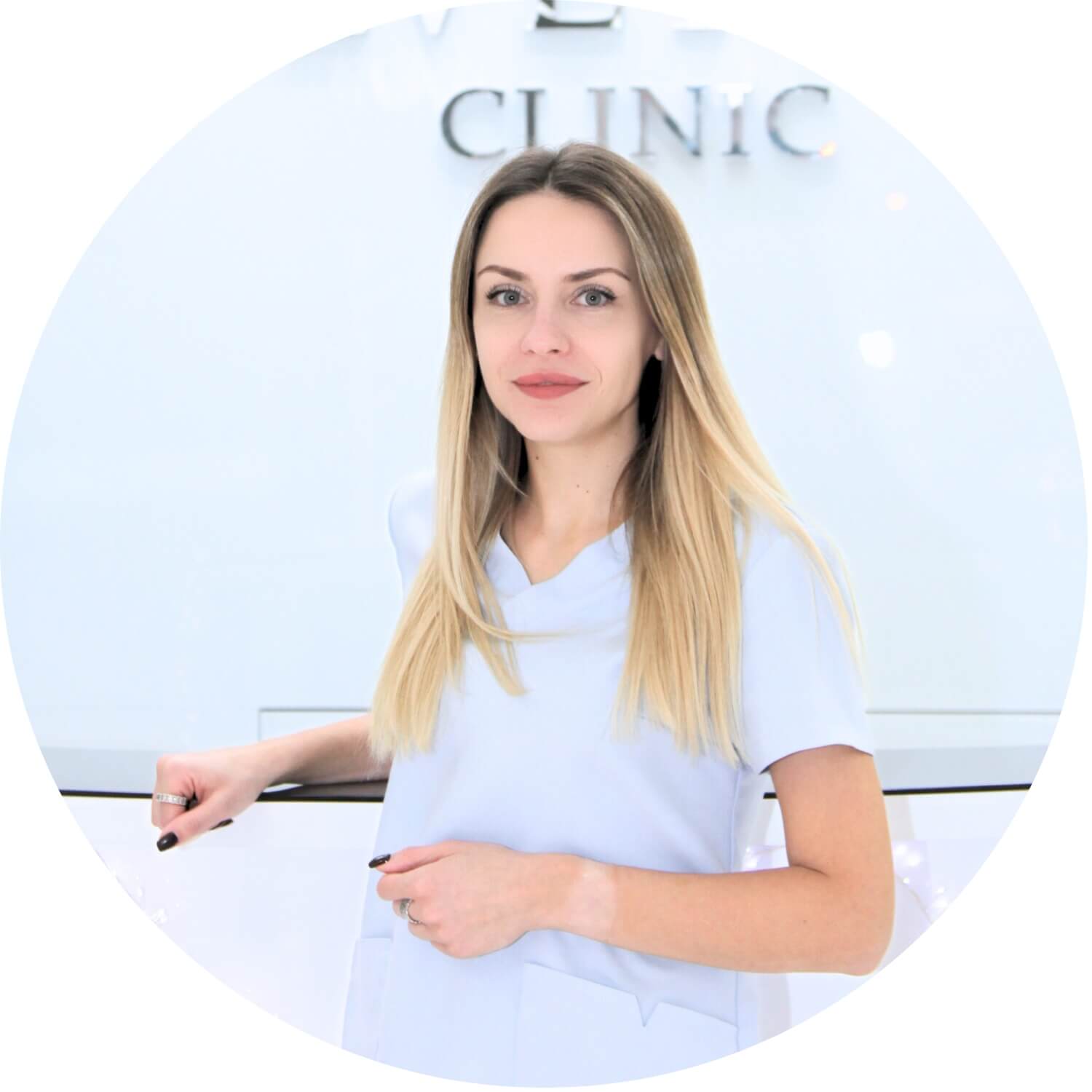
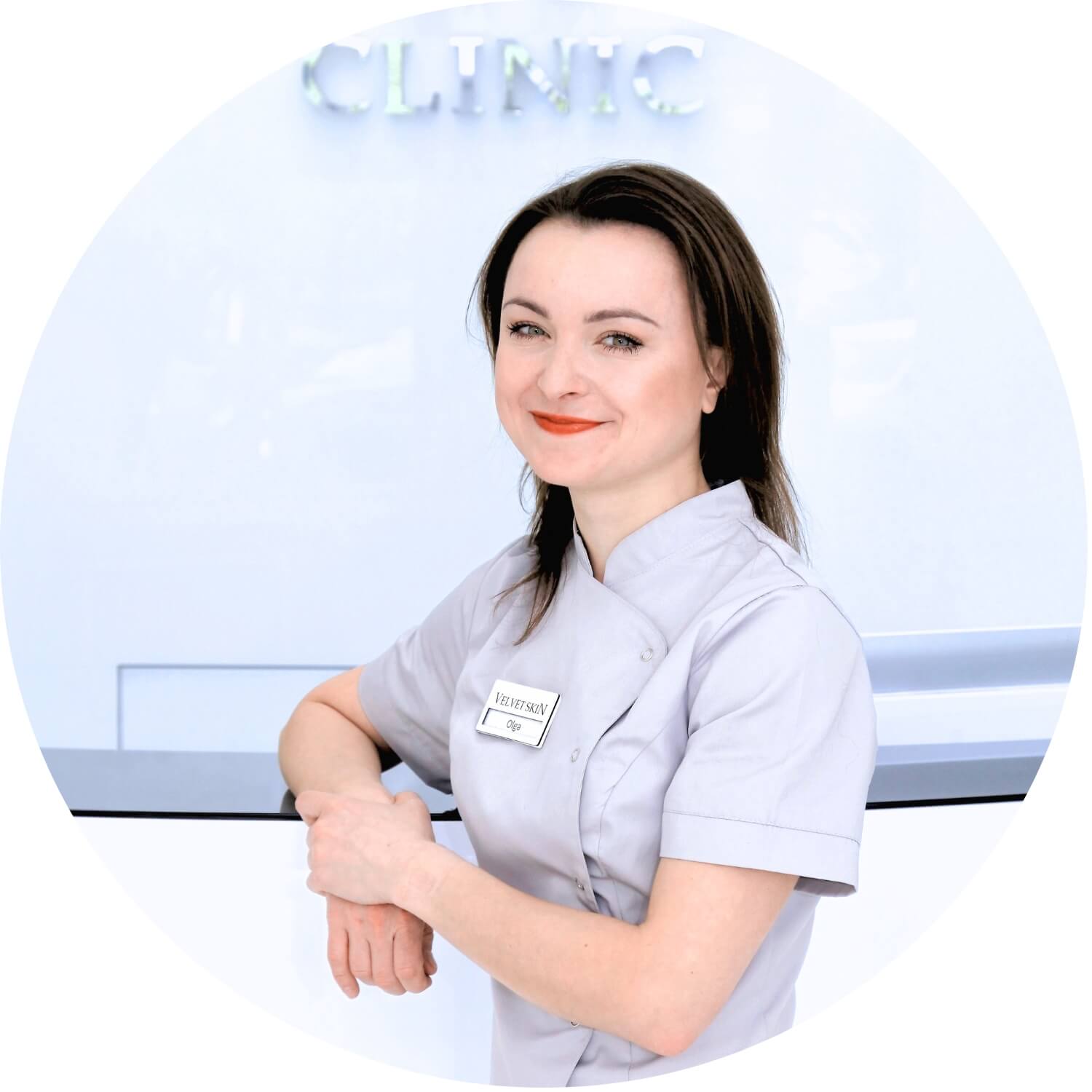
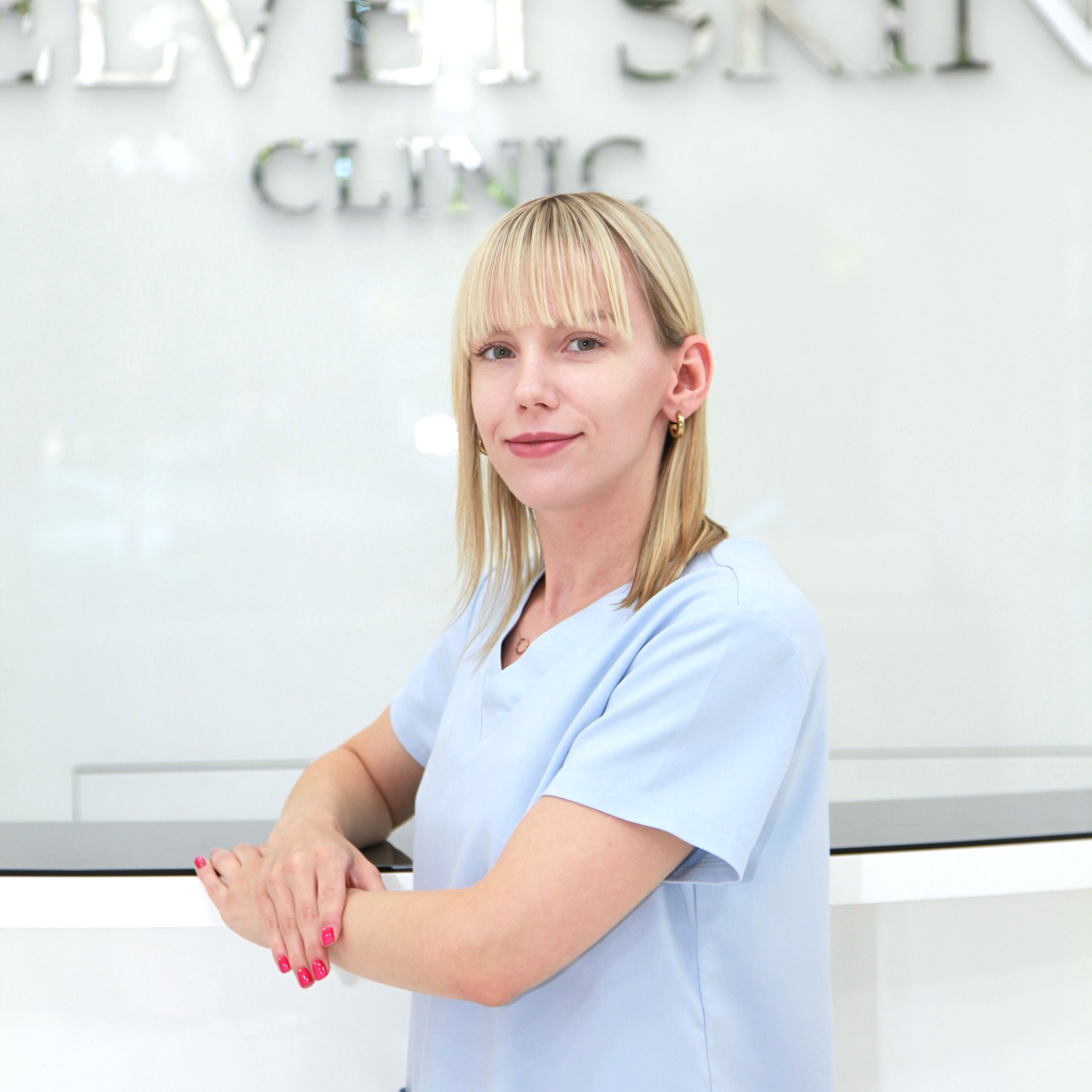
Treatments are performed by our cosmetologists
Treatments at Velvet Skin Clinic are performed by qualified cosmetologists with many years of experience in laser therapy, hi-tech devices and skin care treatments. After your consultation we match the method and the specialist to your skin and your goal.


Book a treatment — Velvet Skin Clinic
ul. Świętokrzyska 30
00-116 Warsaw · opposite the Palace of Culture and Science
tel. +48 500 53 30 30
al. Niepodległości 92/98
02-585 Warsaw · in the heart of Mokotów
tel. +48 500 53 30 55