
Snoring
Is snoring wearing out you and those close to you, but you do not want a device or surgery? The NightLase laser tightens a lax soft palate with no incisions and no downtime. At your consultation we assess how severe the snoring is and whether a series of treatments is indicated.
Snoring — where it comes from and how to quieten it
Snoring happens when the tissues of the throat and soft palate relax during sleep and the air flowing past makes them vibrate. An elongated, lax palate and uvula, excess tissue, sleeping on your back, a blocked nose, alcohol and tiredness all contribute. It is more than noise — snoring lowers sleep quality and can strain relationships.
A minimally invasive option for primary snoring is the Er:YAG laser (NightLase). Non-ablative, controlled heating of the mucous membrane stimulates collagen to contract and remodel, so lax tissues tighten, vibrate less and snoring becomes quieter — with no incisions, implants or downtime.
Read the details
How the Er:YAG laser works on the palate
The Er:YAG beam heats the surface of the mucous membrane in a controlled way, without removing it. The heat prompts collagen fibres to contract and gradually remodel, which tightens the lax soft palate and throat. The treatment is done as a series (usually 3 sessions) and the effect is maintained. Important: NightLase is for primary snoring — if sleep apnoea is suspected, medical diagnosis comes first. A full description of the method, the price and booking are on the NightLase treatment page.
Laser therapy in experienced hands
We perform laser snoring treatment on the Fotona platform (Er:YAG), the same one we use for face and body laser therapy. NightLase is a niche method — the figures we show are for the whole clinic, not for a single item.
Source: Versum and Booksy reports, as of 30 June 2026 (total NightLase laser snoring treatments performed; client numbers and return rate — whole-clinic data).
What causes snoring
Lax palate and uvula
Lax, elongated soft palate tissues vibrate as you breathe in your sleep — the most common cause of snoring.
Anatomy and nasal airflow
Excess throat tissue, a deviated septum or a blocked nose increase resistance and make snoring worse.
Lifestyle and sleeping position
Excess weight, alcohol in the evening, tiredness and sleeping on your back add to the tissue vibration.
Some factors can be limited through lifestyle, but when the cause is a lax palate, tightening it is usually the right approach — and this is where the laser comes in.
Primary snoring or a sign of apnoea
Primary snoring
Loud breathing through the nose or mouth with no pauses in breathing and no excessive daytime sleepiness. This is an indication for NightLase.
Warning signs
Noticed pauses in breathing, waking abruptly with choking, morning headaches, daytime sleepiness — these need a medical assessment.
Suspected apnoea (OSA)
When symptoms point to obstructive sleep apnoea, sleep diagnostics and a doctor's care are needed — the laser does not treat apnoea.
This distinction is key. NightLase helps with primary snoring; where there are signs of apnoea, we refer you for sleep diagnostics first.
Want quieter nights for you and those close to you? Book a consultation — we will assess whether NightLase is right for you.
Book a consultationA solution for snoring
For primary snoring, the Er:YAG laser (NightLase) is an effective, non-invasive method that tightens a lax palate. The full description, what to expect and the price are on the dedicated treatment page. Results vary from person to person.
NightLase — laser snoring treatment
A non-ablative Er:YAG laser uses controlled heat to tighten the soft palate and throat tissues. No incisions, implants or downtime; usually a series of 3 treatments, with the effect maintained.
When you need a doctor
If symptoms point to sleep apnoea (pauses in breathing, choking, daytime sleepiness), we refer you for sleep diagnostics first. The laser does not replace treatment for apnoea.
What we can achieve
| Situation | Who it is for | Approach | Effect |
|---|---|---|---|
| Primary snoring | loud breathing with no pauses in breathing | NightLase series (Er:YAG) | quieter snoring, better sleep |
| Snoring made worse by lifestyle | excess weight, alcohol, sleeping position | NightLase + a change of habits | supports the effect of the treatment |
| Suspected apnoea (OSA) | pauses in breathing, daytime sleepiness | medical diagnosis first | an appropriate, medically led plan |
What the research says about the Er:YAG laser for snoring
Er:YAG laser treatment for snoring is the subject of clinical research — from a controlled trial to a systematic review and a multi-year follow-up. Below are the publications we rely on.
Controlled trial
A randomised controlled trial (40 patients) showed a significant improvement in snoring severity after 3 NightLase sessions versus a sham group, with good tolerability and no complications.
Picavet et al., Eur Arch Otorhinolaryngol 2022 · PMC →Systematic review and meta-analysis
A systematic review with meta-analysis assessed the effectiveness of the Er:YAG laser in treating snoring, confirming an improvement in subjective snoring measures.
J Clin Med, 2025 · PMC →How the effect held at 4 years
In a 4-year follow-up, a significant improvement in subjective sleep parameters after Er:YAG laser treatment was maintained, with no adverse effects.
Frelich et al., Photobiomodul Photomed Laser Surg 2023 · PubMed →For information and education only — it does not replace a medical consultation or diagnosis. The studies concern snoring; the Er:YAG laser is not a treatment for obstructive sleep apnoea. Results vary from person to person.
Laser snoring treatment step by step
The treatment is short, non-ablative and well tolerated. A specialist assesses suitability and then treats the soft palate and throat area with the Er:YAG laser. The full effect builds over a series of treatments.
Consultation
Assessment of your snoring and ruling out signs of apnoea; if needed — referral to a doctor.
Preparation
Brief preparation of the mouth and throat for the treatment.
Er:YAG laser
Controlled heating of the soft palate, with no incisions.
Series and effect
Usually 3 sessions a few weeks apart; the effect builds and is maintained.
How to look after the result
The treatment requires no downtime. Below are simple recommendations that support the effect and comfortable sleep.
The first hours
A light diet and avoiding very hot food for a short time after the treatment.
The full series
Completing the full series of treatments at the planned intervals gives the treatment its full effect.
Lifestyle
Less alcohol in the evening, sleeping on your side and looking after your weight support the effect.
Clear nasal airflow
Treating a runny nose or allergy and keeping the nose clear reduce snoring.
Maintenance
If needed, a top-up treatment maintains the effect over time.
For information and education only. A specialist will give you detailed recommendations; results vary from person to person.
See also
They trusted us
“Until now I avoided cosmetic treatments because of bad experiences. After my first visit I am delighted with the result, the professionalism and the individual approach. I will definitely be coming back!”
“I am not keen on visiting places like this, but here everything went smoothly and without stress. Lovely service, clean, tidy and above all effective.”
“What sets them apart is the calm, non-commercial atmosphere. Everything is clean and fragrant, with no noise. The visit passed in peace and quiet.”
These reviews describe the overall experience at Velvet Skin Clinic.
First we rule out sleep apnoea
Snoring can be a symptom of obstructive sleep apnoea (OSA) — a medical condition that needs diagnosis and a doctor's care. So before treatment we check for warning signs and, if needed, refer you for a sleep study. The main situations that call for caution:
The Er:YAG laser (NightLase) is a supportive method for primary snoring and does not replace treatment for sleep apnoea. If OSA is suspected, diagnosis and medical care take priority.
Frequently asked questions about snoring
Does the laser help with snoring?
Yes — in people with primary snoring. The Er:YAG laser (NightLase) uses controlled heat to tighten the lax soft palate and throat tissues, so they vibrate less and snoring becomes quieter. Its effectiveness is supported by research, including a randomised controlled trial and a systematic review with meta-analysis. Results vary from person to person.
Is snoring the same as sleep apnoea?
No. Snoring can be harmless, but it can also be a symptom of obstructive sleep apnoea (OSA) — a medical condition. If there are pauses in breathing at night, abrupt waking with choking or excessive daytime sleepiness, medical diagnosis comes first. The laser is not a treatment for apnoea.
How many treatments are needed and how long does the effect last?
Usually a series of around 3 treatments is carried out a few weeks apart. The effect is maintained; in a 4-year follow-up the improvement in subjective sleep parameters held, with no adverse effects. A specialist sets your individual plan at the consultation.
Does the treatment hurt and is there any downtime?
The treatment is non-ablative — no incisions and no tissue removal. It is well tolerated, and you return to your daily activities straight away, with no healing period.
Who is NightLase not suitable for?
The method is intended for people with primary snoring. If sleep apnoea is suspected, or there is an active throat infection or certain oral conditions, a medical assessment comes first. We establish everything at your consultation.
Where can I find the treatment details and price?
The full description of the method, what to expect, the price and booking are on the “NightLase laser snoring treatment” page.
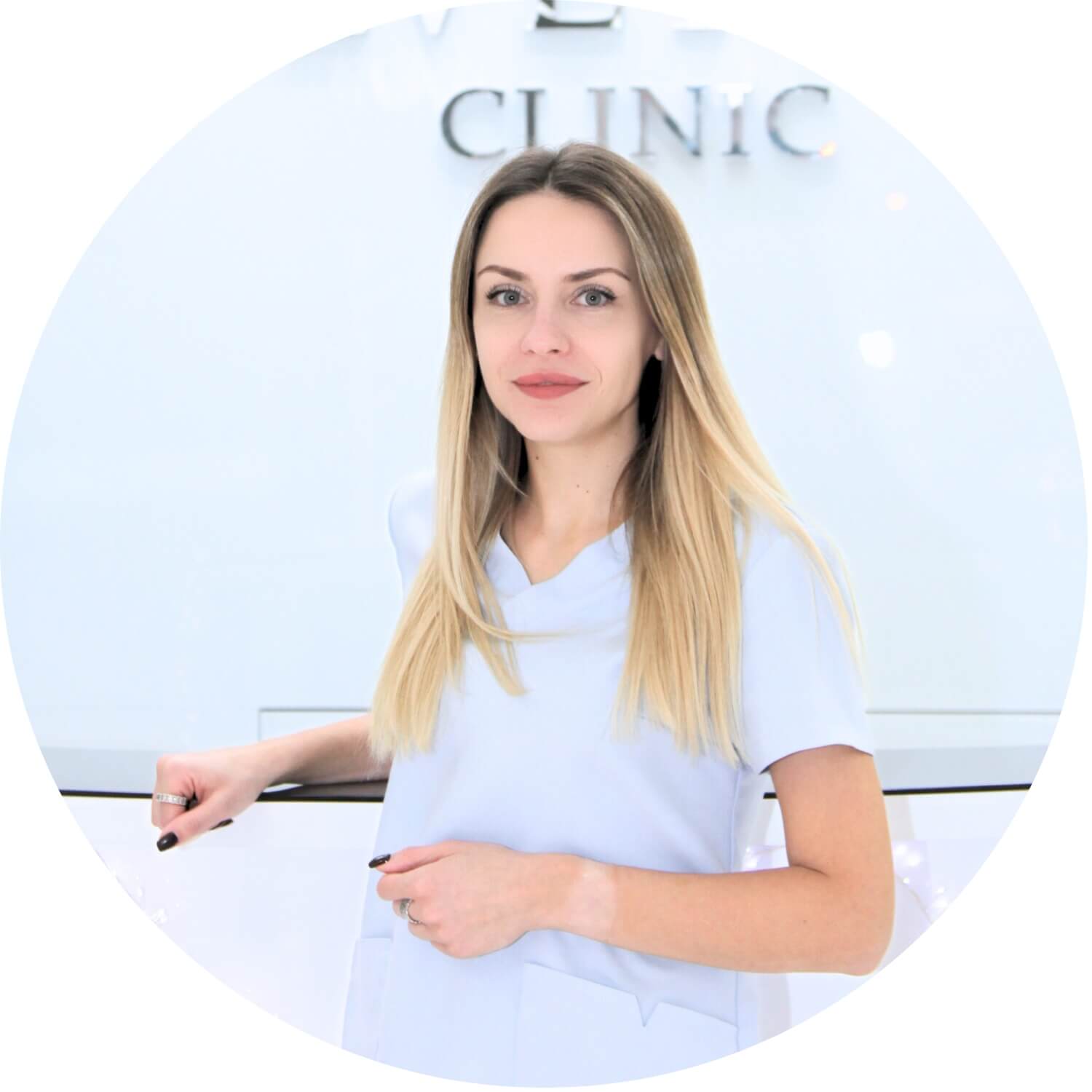
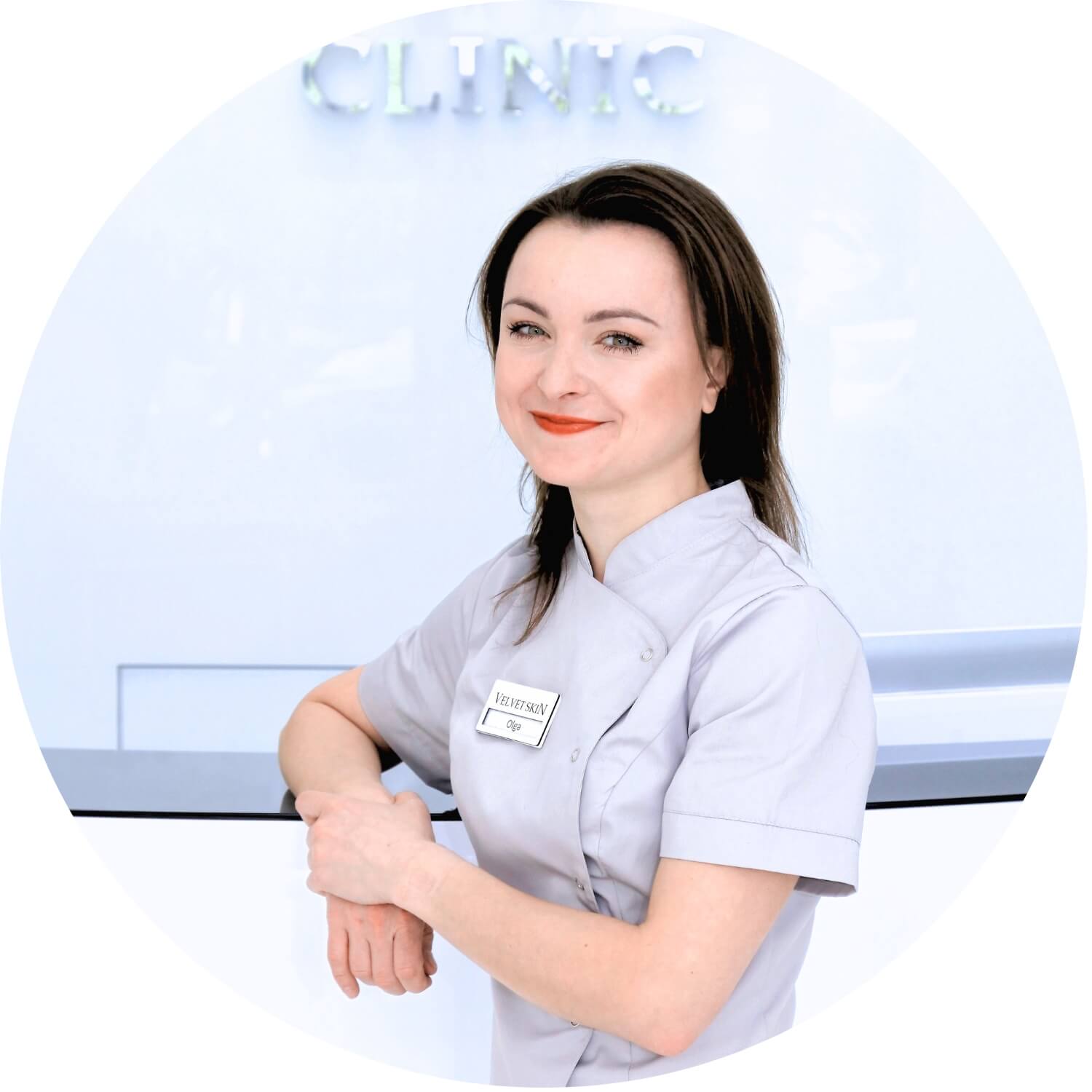
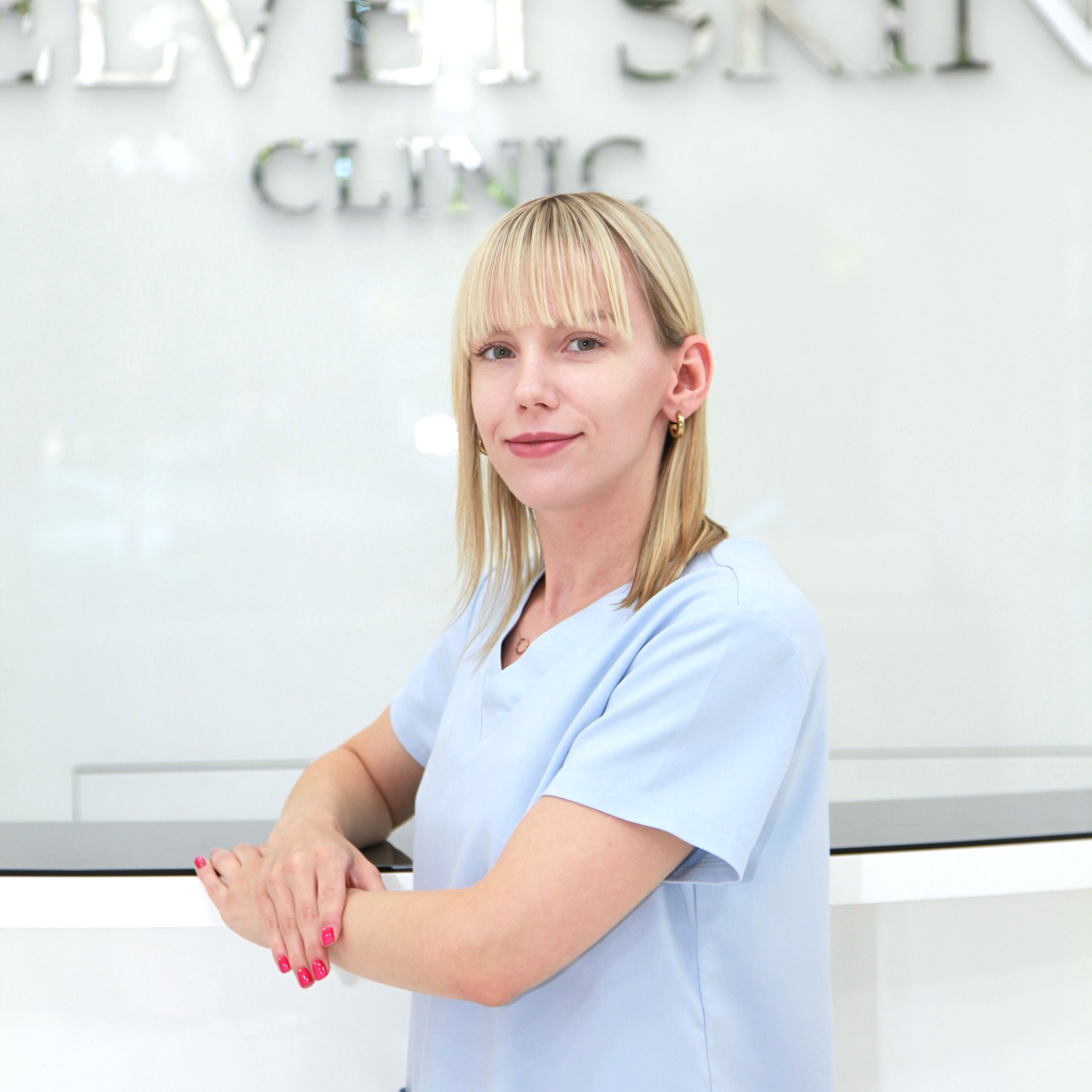
Treatments are performed by our cosmetologists
Treatments at Velvet Skin Clinic are performed by qualified cosmetologists with many years of experience in laser therapy, hi-tech devices and skin care treatments. After your consultation we match the method and the specialist to your skin and your goal.


Book a consultation
ul. Świętokrzyska 30
00-116 Warsaw · opposite the Palace of Culture and Science
tel. +48 500 53 30 30
See what the research says
The publications behind this offer — with PMIDs and an assessment of the strength of evidence.